Center for Biodiversity and Integrative Taxonomy (KomBioTa)

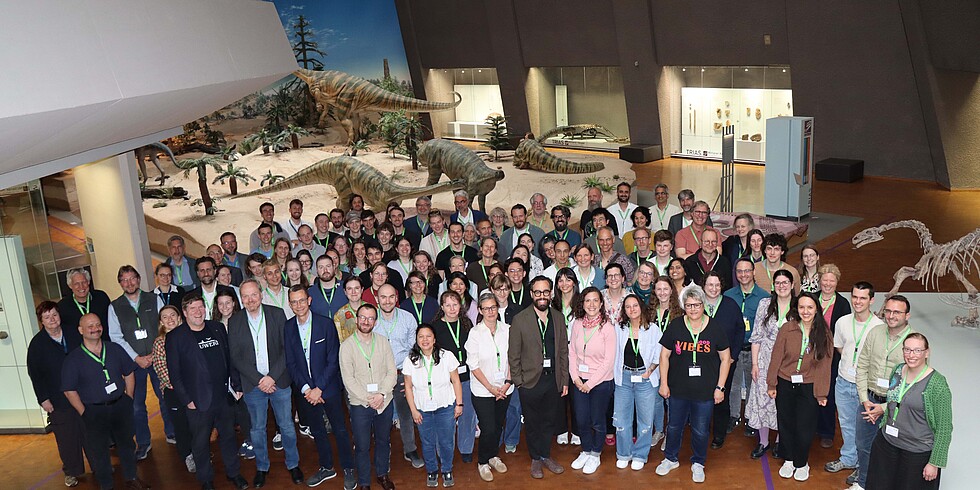
To mark its fifth anniversary, KomBioTa invited guests to its annual Spring Meeting at the Natural History Museum Stuttgart on May 6. With 118 participants, the event set a new attendance record and brought together guests from academia, politics, nature conservation, and research institutions. Expert presentations, poster sessions, and intensive discussions highlighted the importance of the network for biodiversity research, taxonomy, collaboration, and nature conservation in Baden-Württemberg and beyond.

Learn more.

List of Experts

KomBioTa currently brings together over 120 researchers working on current scientific issues of biodiversity and taxonomy.

List of experts

Theses

Looking for a thesis in one of our research areas?

We look forward to your enquiry!

Announcements


Latest news

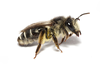
First record of Andrena melaleuca (Hymenoptera: Andrenidae) in Europe, with notes on Sicily’s role as a gateway to Europe

The wild bee Andrena melaleuca is reported for the first time from Italy (Sicily), representing the first record of this species in Europe.more


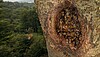
Wild Honeybee decline in Europe

A new study from our network shines a light on Europe’s often-overlooked wild western honeybee populations.more


Dates

17th to 18th October | Stuttgarter Hymenoptera Conference 2026

Natural History Museum Stuttgart (Museum at Löwentor)more


Fri, 30th Oct 2026 | Talking about Taxonomy | Reptile and Orchid Conservation at the CSS Wilhelma: From Assessments to Global Impact

Location: University of Hohenheim | HS Ö2 , Gebäude 02.23 | Garbenstr. 28 (Ökozentrum) | EGmore


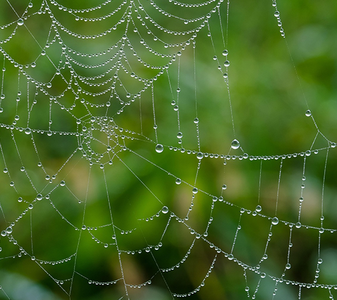
Foto: NickyPe (Pixabay, 7599664).

Are you active in the field of species knowledge and want to network?

The Center for Biodiversity and integrative Taxonomy (KomBioTa) is responsible for the networking of teachers and researchers, doctoral students, students, professionals and volunteers in the various subdisciplines of taxonomy.

Our aim is to drive forward cooperations, bring knowledge into flow and jointly develop research and teaching.

Become a member  Contact us!